Add Your Listing
Is Scotland safe to visit?
Yes. Scotland is a safe country to visit, and most visitors never have a problem. What catches people out is not crime. It is single-track roads, weather that changes within the hour, and ferries or mountain roads that close when it turns. This page covers those, the official figures, and what to do if something goes wrong.
Last reviewed: 05/11/2026. We check this page each spring.
What the official figures say
Police recorded 315,357 crimes in Scotland in 2025-26, a rate of 569 per 10,000 people. That is 5% up on the year before and the highest since 2014-15, but still 49% below the 1991 peak. Theft and other crimes of dishonesty are the largest group at 37%.
The rate varies a lot by area. Dundee recorded 929 crimes per 10,000 people. Shetland recorded 203, the lowest in the country. For a visitor, the sensible habits are the usual ones: keep valuables out of sight in busy parts of Edinburgh and Glasgow, and lock the car at trailheads. Recorded crime counts what is reported, so treat it as a guide, not a guarantee. Owners we asked across the Highlands and islands said guests rarely raise it. An Orkney owner says guests sometimes ask where the key is, because locals there are not used to locking things, and still recommends they lock up for their own peace of mind.
Is it safe to travel to Scotland right now?
The US State Department rates the whole United Kingdom Level 2, “exercise increased caution”, because of terrorism. That rating is not specific to Scotland, and it is not a warning against travel. travel.state.gov.
The UK terrorism threat level is set by the Joint Terrorism Analysis Centre and published by MI5. MI5 says the level does not require the public to take specific action, only to stay alert. Current treat level is Severe you can see more on MI5 https://www.mi5.gov.uk/threats-and-advice/terrorism-threat-levels
Is Scotland safe for Americans and other overseas visitors?
Overseas visitors face the same conditions as everyone else, and the same ratings above. Three things catch them out more than anything else.
- Driving on the left. It is easy to forget on an empty road, so make a habit of checking at every junction and when you pull out of a car park.
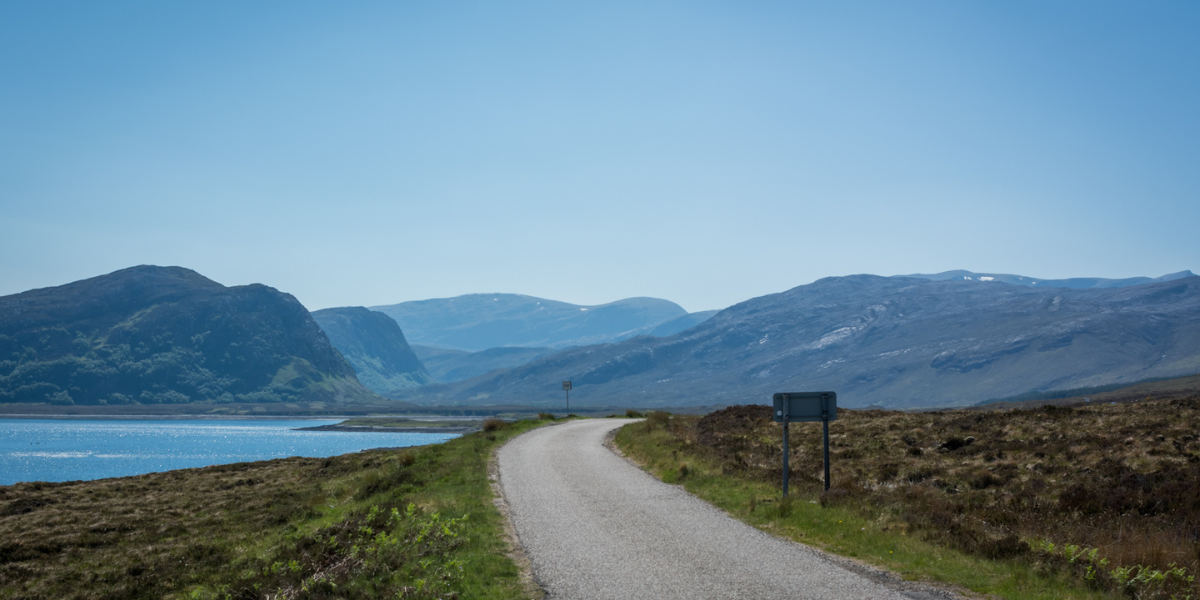
- Narrow roads. Many are one lane wide. The next section explains the passing-place rules.
- Distances. A short line on the map can take far longer on a winding road, so allow extra time and avoid driving the last stretch to a cottage in the dark.
Get travel insurance that covers medical care. Save 999 and 112 in your phone, because both reach the emergency services in the UK. Owners told us the questions from overseas guests are practical: whether there is internet, what the public transport and taxi options are, and whether there are hairdryers. Two owners said the answer is already in their welcome pack, so read it before you travel.
The risks that actually matter
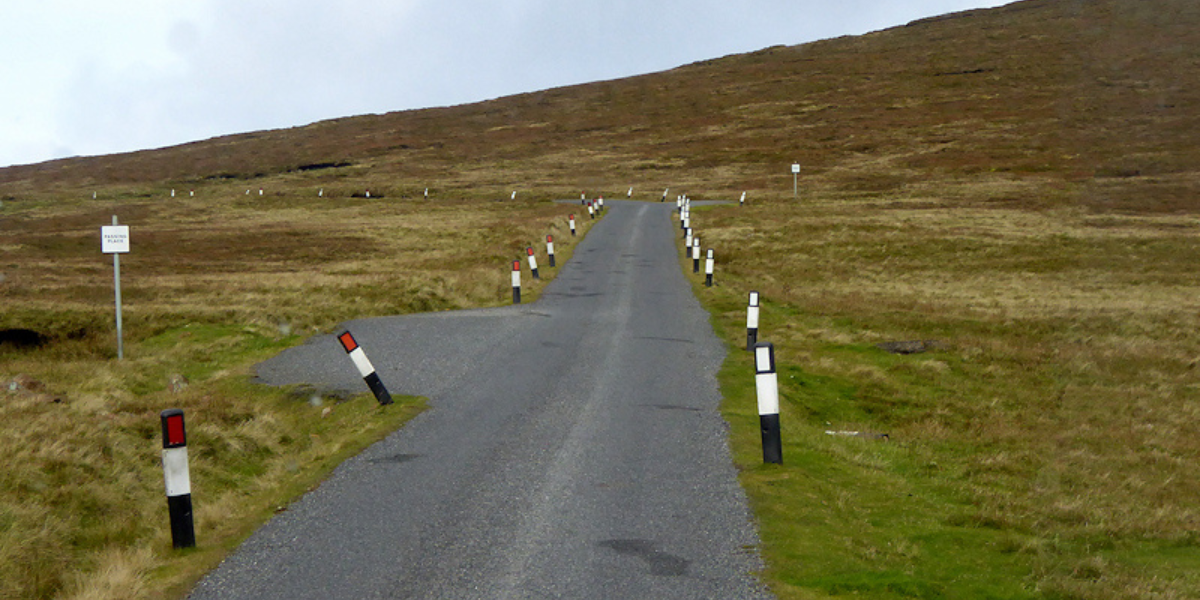
Single-track roads. Many Highland and island roads are one lane wide with passing places. If a vehicle approaches, or someone wants to overtake, pull into a passing place on your left or wait opposite one on your right. Never park in a passing place. Give way to uphill traffic where you can, and let faster drivers behind you pass. The Highway Code covers this in rules 155 and 156. Owners mostly named the same few mistakes: driving too fast, spotting oncoming traffic late and having to reverse, and using passing places badly. The owner of Captain’s Rest on Skye sees guests bunch two or more cars into one passing place, or cross the path of an oncoming car to reach one. Hideaway Lodges says guests pull in on the wrong side, and the Seawinds owner in Applecross adds tailgating in a convoy. Look well ahead for the next passing place, keep your distance and be ready to reverse.
Weather and the hills. Conditions on a hill can differ sharply from the road below. If you walk, tell someone your route and when you expect to be back, and carry waterproofs even in summer. If you need help in the hills, call 999 or 112, ask for the police, then ask for mountain rescue. Police Scotland deploy the rescue teams.
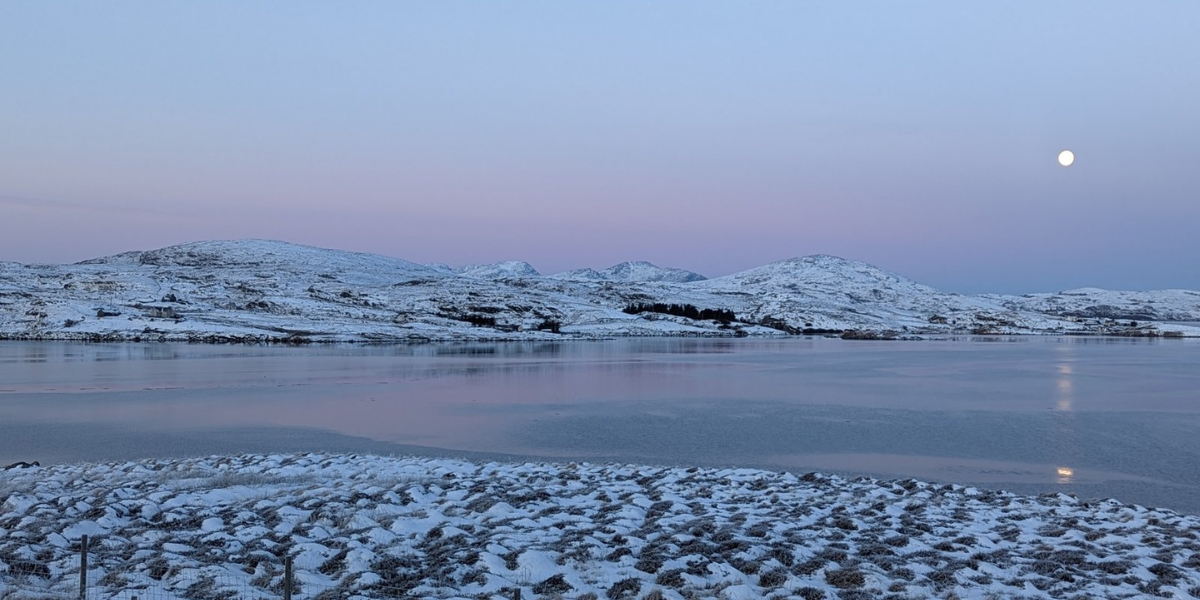
Ferries, passes and beaches. On the islands, weather disrupts ferries more than snow disrupts roads. An Orkney owner told us that if a cancelled ferry stops guests leaving, they extend the stay at no cost until the next sailing, and if it stops them arriving they help find a bed on the mainland. The owner of Seawinds in Applecross says the Bealach na Ba pass can close in wintry weather and the longer coast road is the alternative. Check ferry status and road closures on the day. Do not drive onto beaches. The same Orkney owner has towed guests off the sand with a tractor, and one guest was stranded on a tidal island and walked back at the next low tide, after dark.
Phone signal. At the cottages we asked, signal is mostly fine: 12 of the 14 owners who replied said their mobile signal is good or at least OK, and several also have fibre or Starlink Wi-Fi. Signal on the road and on the hill is a different matter. Before you travel, register for the 999 text service by texting REGISTER to 999 and following the reply. It can let a text through where a voice call will not connect, but only if you registered first. Download offline maps before you leave the main road.
If you are unsure, carry an effective means of communication. Public Wi-Fi may come in handy but not all the time it is safe. Lots of travelers resort to the usage of VPN to provide an additional level of encryption when entering a public network or using applications and services at home. As a fast alternative, others use a VPN download VPN – and then they can travel knowing that they can connect securely when they get to their destination. Always use a strong password, have two factor authentication in valuable accounts, and do not bank or perform sensitive duties on unsecured Wi-Fi. Such minor measures minimise the risk of theft of accounts or snooping of data.
Staying somewhere remote: what to ask the owner first
Most of the cottages on Best Scottish Cottages are not in cities, which changes what “safe” means. Before you book, ask the owner:
- Is the last stretch of road single-track or unsurfaced, and how does it cope in winter?
- Is there mobile signal, and on which network? Is there Wi-Fi or a landline?
- What happens in a power cut: heating, hot water, light?
- Where is the nearest shop and fuel?
This is what booking direct is for. The owner knows the road, the signal and the weather, and you can ask them without going through anyone else. Here is what owners told us.
Captain’s Rest, Skye: in six years only a couple of guests have been unable to get out, in heavy snow, and both seemed to enjoy it, well stocked with food and wine beside a roaring fire.
Millsyde and Southsyde, Hendersyde Farm Holiday Cottages: the half-mile council lane has never stopped anyone getting in, and the owners have a loader to clear snow and a supply of grit.
Kilnbarn Cottage and Boloquoy Victorian Farm, Orkney: if a cancelled ferry stops guests leaving, the stay continues at no cost until the next sailing.
Greengairs Highland Bothies: a guest has driven off the road twice and been pulled out by Land Rover or JCB. In a power cut they leave drinking water, torches and lamps, and have been known to run round with mince pies and mulled wine.
Croft Cottage: a power cut happens about once every few years, and a torch is all guests need.
Browse remote cottages, off-the-beaten-track stays or cottages on the NC500. If you are not sure where to start, Match will find a cottage for you.
Sources
- Recorded Crime in Scotland, 2025-26, Scottish Government, published 23 June 2026
- Travel Advisory: United Kingdom, US Department of State
- Terrorism threat levels, MI5
- Road safety, North Coast 500
- In an emergency call 999 and ask for Police then Mountain Rescue, Scottish Mountain Rescue